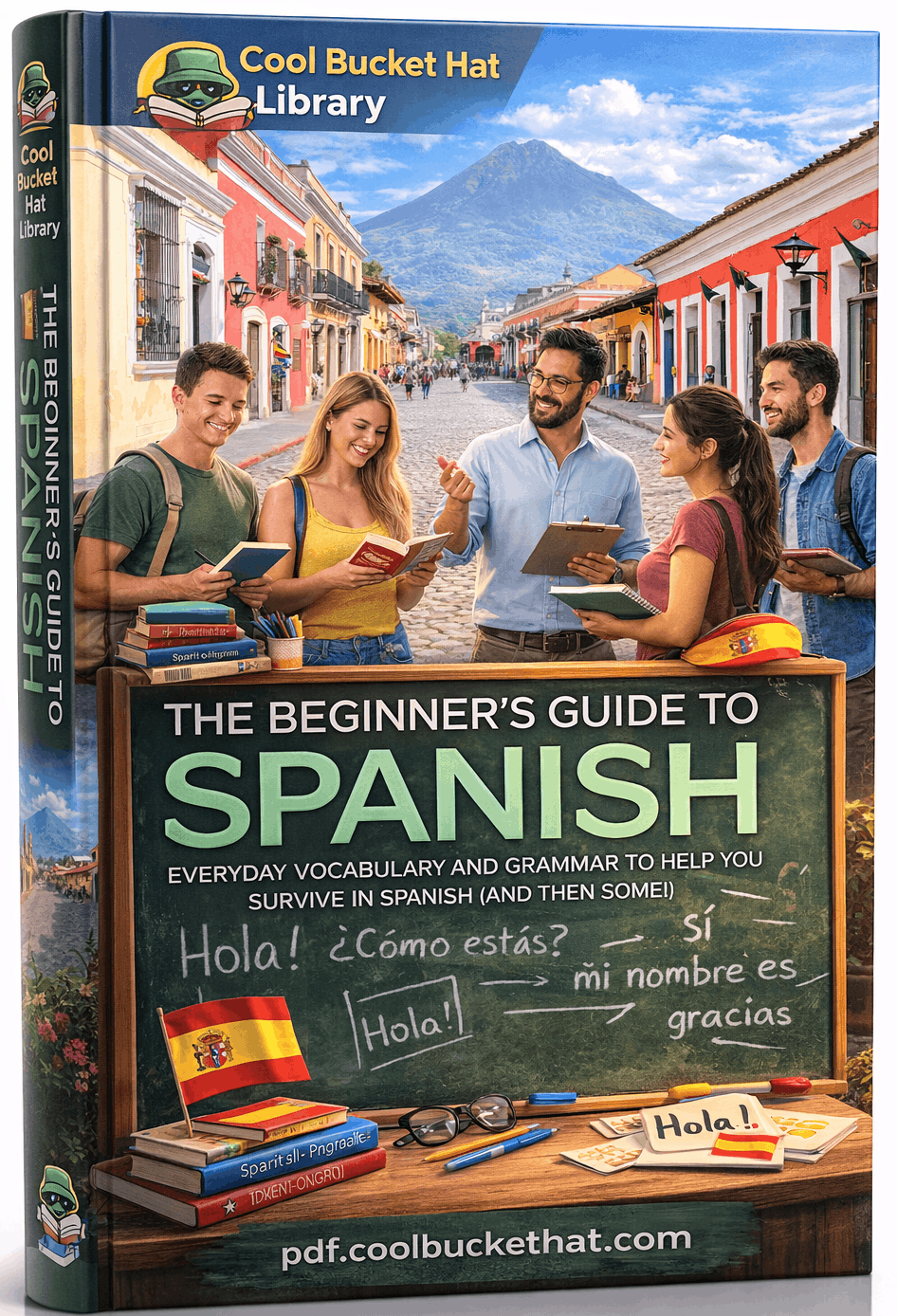
Beginners Guide to Spanish for Fast Learning
Beginners Guide to Spanish is the perfect starting point for anyone who wants to learn Spanish from scratch. If you are new to the language, you may feel unsure about where to begin. However, with the right structure and simple steps, learning Spanish becomes manageable and enjoyable.
Spanish is one of the most widely spoken languages in the world. It is used across Spain, Latin America, and many parts of the United States. Therefore, learning Spanish opens doors to travel, career growth, and cultural connection. In this guide, you will discover the basics you need to start speaking Spanish confidently.
Why Learn Spanish?
There are many reasons to learn Spanish. First, it improves communication skills. Second, it creates new job opportunities. Third, it enhances travel experiences. Most importantly, learning a second language strengthens brain function and memory.
Spanish is also considered one of the easiest languages for English speakers to learn. The pronunciation rules are clear, and many words are similar to English.
Step 1: Learn the Spanish Alphabet and Pronunciation
The Spanish alphabet is similar to English. However, pronunciation is more consistent. Each vowel has one clear sound:
A – ah
E – eh
I – ee
O – oh
U – oo
Because pronunciation follows rules, reading Spanish becomes easier with practice.
Step 2: Master Basic Greetings
Every language begins with greetings. These phrases allow you to start conversations immediately.
Hola – Hello
Buenos días – Good morning
Buenas tardes – Good afternoon
Buenas noches – Good night
¿Cómo estás? – How are you?
Estoy bien – I am fine
Mucho gusto – Nice to meet you
Practice these phrases daily to build confidence.
Step 3: Understand Basic Sentence Structure
Spanish sentence structure is similar to English. Most sentences follow:
Subject + Verb + Object
Example:
Learning basic verb forms is essential for communication.
Step 4: Learn Essential Verbs
Verbs are the heart of any sentence. Beginners should start with common verbs such as:
Ser – To be
Estar – To be
Tener – To have
Ir – To go
Hacer – To do/make
Comer – To eat
Vivir – To live
Understanding present tense forms allows simple conversation.
Step 5: Build Basic Vocabulary
Vocabulary expands your ability to express ideas. Focus on high-frequency words first.
Family
Madre – Mother
Padre – Father
Hermano – Brother
Hermana – Sister
Food
Agua – Water
Pan – Bread
Arroz – Rice
Pollo – Chicken
Numbers
Uno – One
Dos – Two
Tres – Three
Learning small groups daily is more effective than long lists.
Step 6: Practice Everyday Phrases
Practical phrases make communication easier.
¿Dónde está el baño? – Where is the bathroom?
¿Cuánto cuesta? – How much does it cost?
Necesito ayuda – I need help
No entiendo – I don’t understand
These expressions are especially useful when traveling.
Step 7: Study Daily in Short Sessions
Consistency matters more than long study sessions. Even 20–30 minutes per day can produce steady progress.
A simple daily routine might include:
10 minutes vocabulary review
10 minutes grammar practice
10 minutes speaking aloud
Short sessions prevent burnout and improve retention.
Common Mistakes Beginners Should Avoid
Learning a new language takes patience. Avoid these common mistakes:
Translating Word for Word
Spanish and English do not always follow identical patterns.
Ignoring Gender Rules
Spanish nouns have gender:
El libro (the book)
La casa (the house)
Articles must match the noun.
Skipping Speaking Practice
Speaking builds confidence. Do not wait until you feel “ready.”
How to Improve Faster
To speed up progress, combine different learning methods:
Watch Spanish TV shows with subtitles
Listen to Spanish music
Use language apps
Read short Spanish stories
Practice with native speakers
Exposure to real language improves understanding naturally.
How Long Does It Take to Learn Spanish?
With consistent practice, beginners can hold basic conversations within a few months. However, fluency takes longer. The key is patience and daily effort.
Small improvements add up over time.
Final Thoughts
Beginners Guide to Spanish provides the foundation needed to start your language journey with confidence. By focusing on pronunciation, essential vocabulary, simple grammar, and daily practice, progress becomes steady and achievable.
Learning Spanish does not have to feel overwhelming. Start with small steps, practice regularly, and celebrate each improvement. Over time, simple greetings will turn into full conversations. With dedication and consistency, Spanish will become a language you can understand and use comfortably.