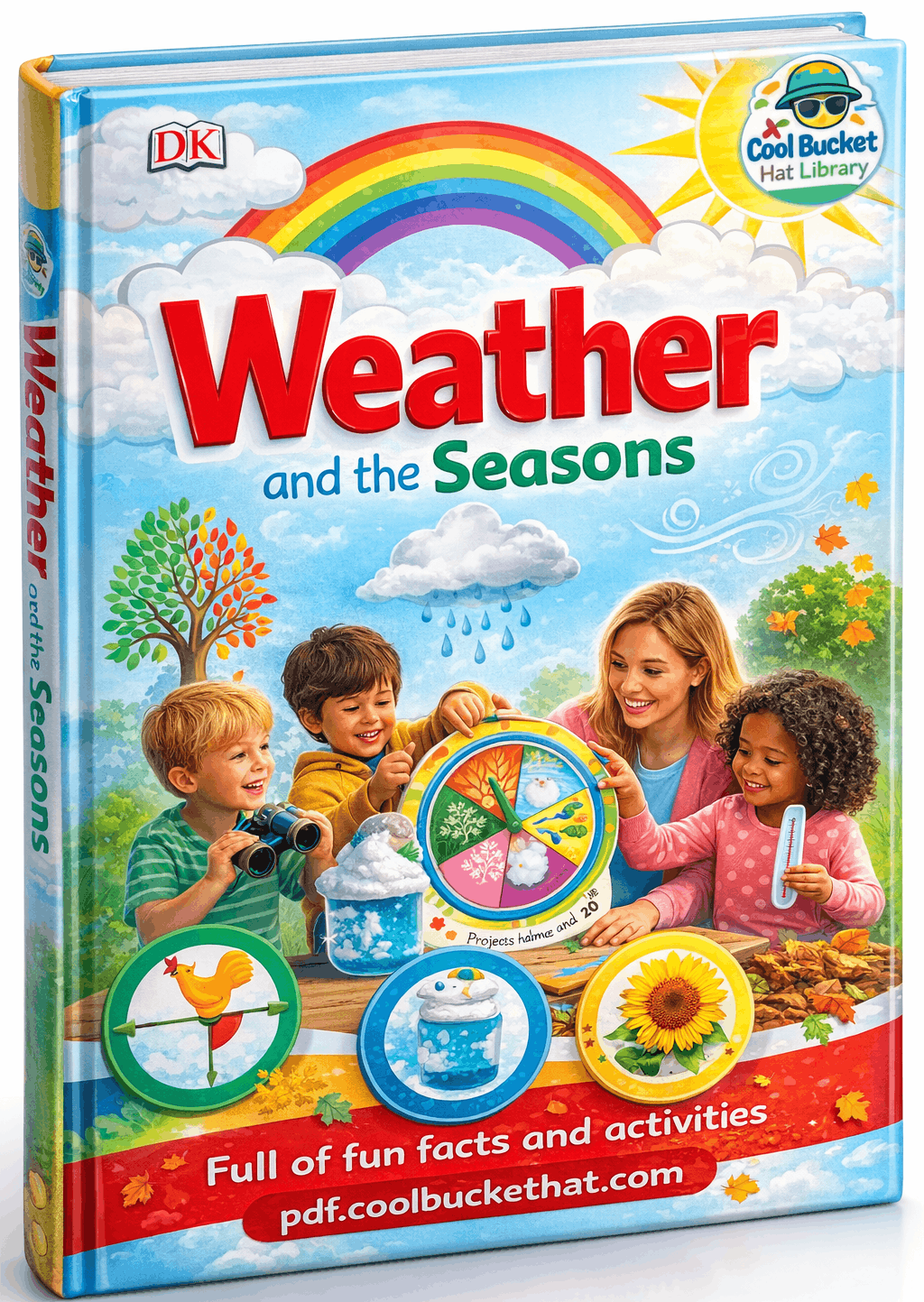
Weather and the Seasons: A Complete Learning Guide
Weather and the Seasons are important parts of our daily lives. They affect what we wear, what we eat, and how we spend our time. From sunny summer days to cold winter mornings, changes in weather shape the world around us. Understanding these changes helps children and adults learn more about nature and the environment.
Weather describes the condition of the atmosphere at a certain time. Seasons, on the other hand, are patterns of weather that happen throughout the year. Together, they explain why some days are hot, others are rainy, and some are snowy.
What Is Weather?
Weather refers to short-term atmospheric conditions. It can change from hour to hour or day to day. For example, it may be sunny in the morning and rainy in the afternoon.
Weather includes:
Because weather changes quickly, meteorologists use tools like thermometers, rain gauges, and satellites to predict it. These forecasts help people plan their daily activities.
What Are the Seasons?
Seasons are longer periods of weather patterns. Most parts of the world experience four main seasons:
Spring
Summer
Autumn (Fall)
Winter
Each season lasts for several months. Unlike daily weather, seasons follow a regular cycle every year.
The Earth’s tilt and its movement around the sun cause seasons. As the Earth travels around the sun, different parts receive varying amounts of sunlight. Therefore, temperatures change throughout the year.
Spring: A Season of New Beginnings
Spring usually comes after winter. During this season, temperatures begin to rise. Flowers bloom, trees grow new leaves, and animals become more active.
Common features of spring include:
Mild temperatures
Frequent rain showers
Growing plants
Longer days
Because of increased sunlight and rainfall, plants grow quickly. Many animals also have their babies in spring. As a result, it is often called the season of renewal.
Summer: Warm and Sunny Days
Summer is the warmest season of the year in many regions. The days are longer, and the sun shines brightly.
Characteristics of summer include:
People often enjoy outdoor activities such as swimming, traveling, and playing sports. Farmers grow crops that need plenty of sunlight. However, in some places, extreme heat can cause droughts.
Autumn (Fall): A Time of Change
Autumn follows summer. During this season, temperatures begin to cool. Leaves on many trees change color and fall to the ground.
Signs of autumn include:
Cooler weather
Falling leaves
Shorter days
Harvest season
Farmers gather crops during this time. Animals prepare for winter by storing food. The changing colors of leaves make autumn visually beautiful.
Winter: Cold and Snowy Weather
Winter is usually the coldest season. In many places, temperatures drop significantly. Snow and frost are common in colder regions.
Winter features include:
Because of cold weather, people wear warm clothing. Some animals hibernate to survive the cold months. Despite the chill, winter brings holidays and festive celebrations in many cultures.
How Weather Changes With the Seasons
Weather patterns are closely connected to seasons. For example:
Spring often brings rain and mild temperatures.
Summer brings heat and sunshine.
Autumn brings cooler air and wind.
Winter brings cold temperatures and snow in many regions.
Although these patterns are typical, they can vary depending on location. Tropical regions may have rainy and dry seasons instead of four distinct seasons.
Why Learning About Weather and the Seasons Is Important
Understanding Weather and the Seasons helps children develop scientific awareness. It also teaches them how nature works.
Benefits of learning about weather include:
Improved observation skills
Understanding environmental changes
Better preparation for outdoor activities
Awareness of climate differences
For example, knowing the weather forecast helps families plan trips. Farmers rely on seasonal patterns to grow crops successfully.
Weather Safety and Preparedness
Weather can sometimes be extreme. Storms, hurricanes, floods, and heatwaves require preparation.
Safety tips include:
Listening to weather reports
Wearing suitable clothing
Staying indoors during storms
Drinking water in hot weather
Because weather affects health and safety, awareness is important.
Climate vs. Weather
Although weather and climate are related, they are different. Weather describes short-term conditions. Climate refers to long-term patterns in a region.
For example:
Understanding this difference helps explain global environmental changes.
Fun Activities to Learn About Weather and the Seasons
Children can explore weather and seasons through fun activities:
Keeping a weather journal
Drawing seasonal pictures
Observing changes in trees
Measuring temperature daily
Making simple weather charts
These activities build curiosity and scientific thinking.
How Weather Affects Daily Life
Weather influences many aspects of daily life. It affects:
For example, people use heaters in winter and air conditioners in summer. Farmers plant crops based on seasonal cycles.
Because of this connection, understanding weather helps people make better decisions.
Seasonal Changes Around the World
Not all countries experience the same seasonal patterns. In tropical regions, there may be only two seasons: wet and dry. In polar regions, winters are long and extremely cold.
Geographical location determines climate and seasonal differences. Therefore, people around the world adapt to their local weather conditions.
The Beauty of Seasonal Change
Each season brings its own beauty. Spring flowers, summer sunshine, autumn colors, and winter snow create a natural cycle of transformation.
Seasonal changes remind us that nature is constantly moving and evolving. These cycles also teach patience and appreciation for diversity.
Conclusion
Weather and the Seasons play a vital role in shaping our environment and daily lives. Weather changes from day to day, while seasons follow a yearly pattern. Together, they influence plants, animals, and human activities.
By understanding these natural patterns, children and adults can better appreciate the world around them. Observing the sky, feeling the temperature, and noticing seasonal changes encourage curiosity and learning.
Nature’s cycle of seasons teaches us about balance and change. Through awareness and observation, we gain a deeper connection to our planet and its rhythms.