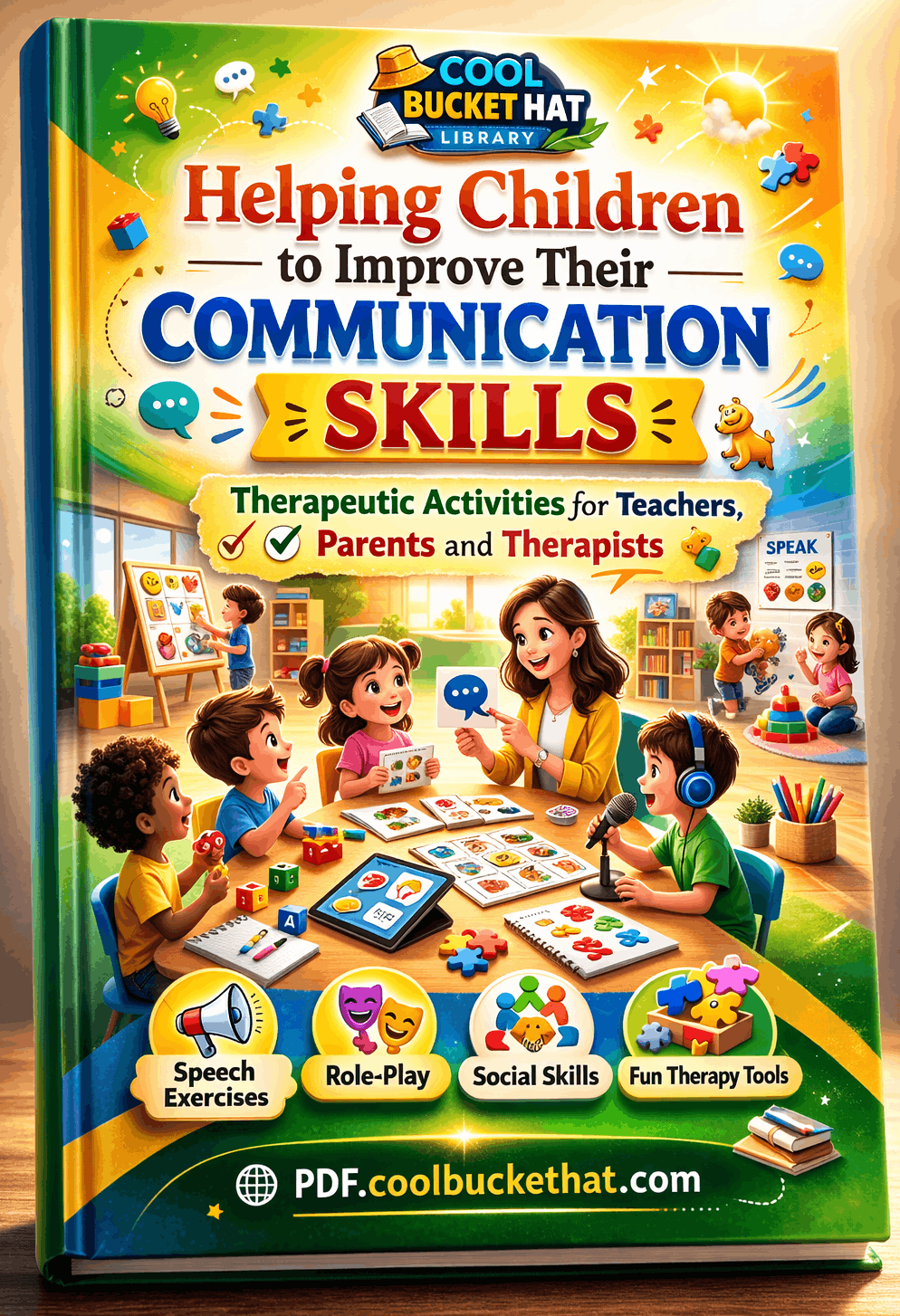
Helping Children to Improve Their Communication Skills
Helping Children to Improve Their Communication skills is one of the most valuable gifts parents and teachers can offer. Communication is more than speaking clearly. It includes listening carefully, expressing feelings, understanding body language, and responding respectfully. When children develop strong communication skills, they build confidence, form healthy relationships, and succeed academically.
In early childhood, communication habits begin to form. Therefore, consistent guidance and positive practice are essential. With the right support, every child can become a confident communicator.
Why Communication Skills Matter
Communication affects every part of a child’s life. At school, children must express ideas, ask questions, and work with classmates. At home, they need to share feelings and understand instructions.
Strong communication skills help children:
When children can communicate effectively, they feel heard and understood.
Developing Strong Listening Skills
Listening is the foundation of communication. Many children focus more on speaking than listening. However, active listening builds understanding and respect.
Teach Active Listening
Encourage children to:
For example, after a friend shares a story, a child might say, “That sounds exciting! What happened next?”
Modeling active listening at home helps children learn naturally.
Encouraging Clear and Confident Speaking
Children need practice expressing their thoughts. Confidence grows with opportunity.
Provide Daily Conversation Time
Set aside time each day to talk. Ask open-ended questions such as:
Open questions encourage longer responses and deeper thinking.
Practice Public Speaking
Simple activities like show-and-tell improve speaking skills. Encourage children to describe an object or tell a short story.
Public speaking builds courage and clarity.
Expanding Vocabulary
A rich vocabulary strengthens communication. The more words children know, the easier it is to express ideas.
Ways to build vocabulary include:
When children encounter new words in context, they understand meaning more easily.
Teaching Emotional Expression
Communication includes expressing feelings appropriately. Some children struggle to describe emotions.
Name the Feeling
Help children identify emotions by using clear words such as:
Happy
Frustrated
Excited
Nervous
Disappointed
For example, instead of saying “Stop crying,” say, “You look upset. Do you want to talk about it?”
Recognizing emotions builds emotional intelligence.
Improving Nonverbal Communication
Body language plays an important role in communication. Children should learn how gestures, facial expressions, and tone of voice affect meaning.
Teach children to:
Awareness of nonverbal cues improves social interactions.
Encouraging Respectful Conversations
Respect is a key part of communication. Children should learn to express opinions politely, even when they disagree.
Teach phrases like:
Practicing respectful disagreement builds social maturity.
Role-Playing Social Situations
Role-playing helps children prepare for real-life interactions. Practice scenarios such as:
Preparation reduces anxiety and builds confidence.
Supporting Shy or Quiet Children
Some children naturally speak less. Shyness does not mean weakness, but gentle encouragement can help.
Strategies include:
Allowing small group conversations
Praising efforts to speak up
Avoiding pressure or embarrassment
Providing positive reinforcement
Confidence grows gradually with support.
Reducing Screen Time
Excessive screen time can limit face-to-face communication practice. Encourage activities that promote conversation, such as:
Family meals
Board games
Outdoor play
Reading together
Real conversations improve communication skills more effectively than digital interactions.
The Role of Parents and Teachers
Adults play a powerful role in shaping communication habits.
Model Good Communication
Children imitate adults. Therefore, speak clearly, listen actively, and show respect in daily interactions.
Provide Constructive Feedback
Instead of criticizing harshly, guide improvement gently.
For example:
Positive feedback builds growth.
Benefits of Strong Communication Skills
When children improve communication skills, they experience long-term advantages.
They become:
Better problem-solvers
Stronger leaders
More empathetic friends
Confident speakers
Effective learners
Communication influences both personal and academic success.
Practical Daily Activities
To support communication growth:
Have daily family discussions.
Encourage storytelling.
Read books aloud and discuss characters.
Play conversation-based games.
Practice gratitude sharing.
Consistency strengthens habits.
Conclusion
Helping Children to Improve Their Communication skills prepares them for lifelong success. Communication is not only about speaking clearly but also about listening, understanding emotions, and responding respectfully.
With encouragement, modeling, and daily practice, children can develop strong communication abilities. These skills enhance friendships, academic achievement, and emotional well-being.
When children feel confident expressing themselves, they are better equipped to face challenges and build meaningful relationships. Strong communication today leads to confident and capable adults tomorrow.