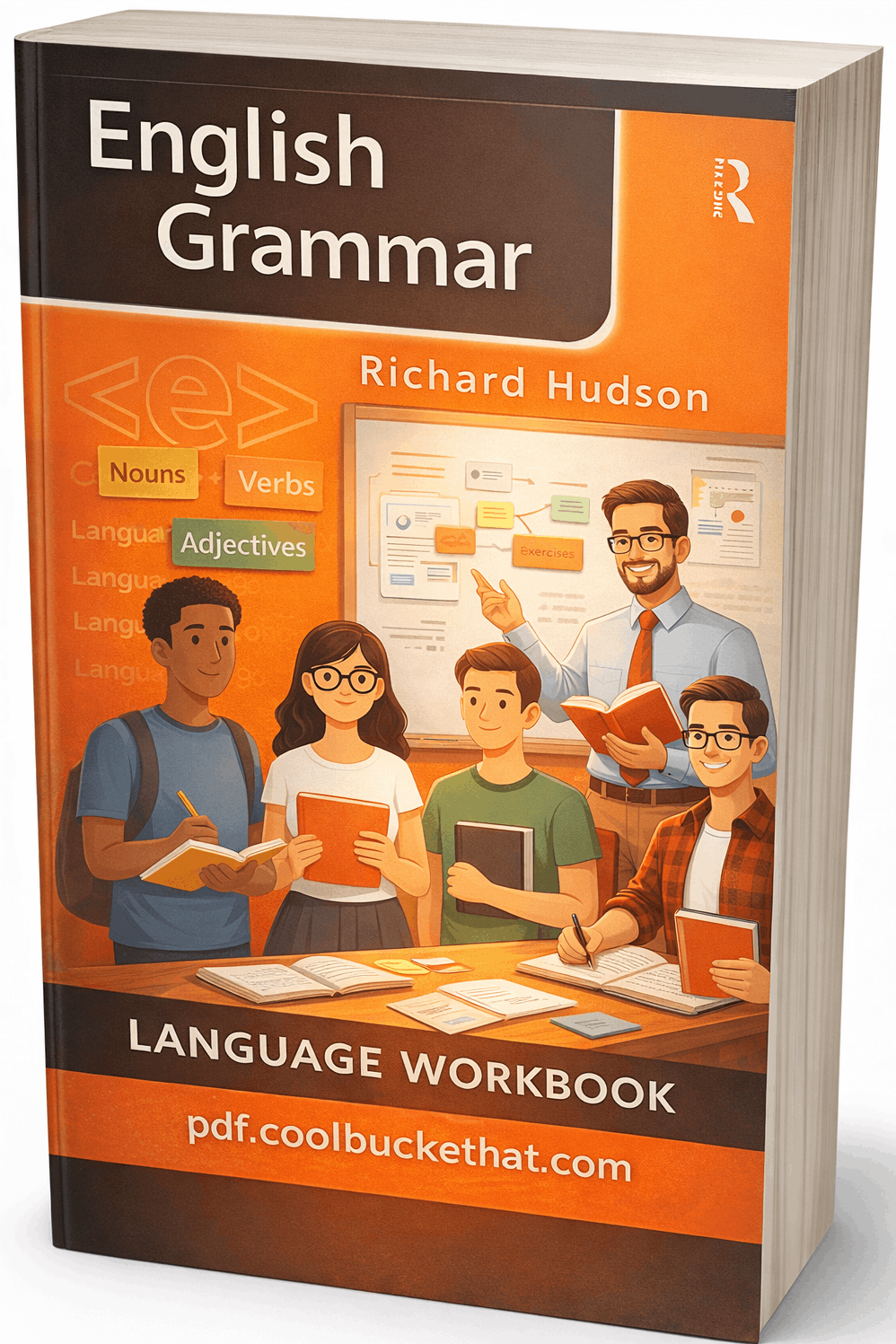
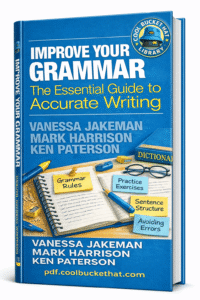
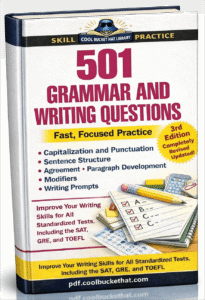
English Grammar Language Workbook: A Practical Guide
English Grammar language workbook is designed to help learners strengthen their grammar skills through structured practice and meaningful exercises. Grammar rules can be confusing when learned only through explanation. However, when learners apply those rules in real sentences, writing, and speaking practice, their confidence and accuracy increase rapidly.
A good language workbook combines clear explanations with exercises, examples, and review activities. It should help learners practice grammar in context—so they not only understand rules but also use them correctly.
In this guide, you’ll find a clear overview of key grammar topics along with sample exercises and study strategies that help you make the most of any grammar workbook.
How a Grammar Workbook Helps You Learn
A language workbook gives learners:
Practice exercises that reinforce grammar rules
Instant feedback when answers are checked
Contextual examples for real English use
Progress tracking through review sections
Confidence building through repetition
Workbooks are often used alongside coursebooks or as self-study tools. They are especially effective because they encourage controlled practice before free production.
Key Grammar Areas Typically Covered
An effective English Grammar language workbook includes the following core topics:
1. Parts of Speech
Understanding basic building blocks of sentences is essential.
Practice Focus:
Identifying nouns, verbs, adjectives, adverbs
Using correct forms in sentences
Example Exercise:
Underline the part of speech:
The quick fox jumped over the lazy dog.
She carefully opened the old book.
2. Verb Tenses
Workbook activities help learners use tenses accurately.
Present Simple vs Present Continuous
Exercise:
Choose the correct verb form:
I (study / am studying) English every day.
They (play / are playing) football now.
3. Past Tense Forms
Exercise:
Fill in the blanks:
Yesterday, I ______ (visit) my uncle.
She ______ (not call) me last night.
4. Future Forms
Exercise:
Correct the sentence:
5. Modal Verbs
Modals express ability, possibility, obligation, and advice.
Exercise:
Complete the sentences:
You ______ study harder. (advice)
She ______ speak three languages. (ability)
6. Articles (A, An, The)
Exercise:
Insert the correct article:
I want to buy ___ new car.
She is ___ best student in the class.
Sentence Structure Practice
Workbooks help learners build correct sentences.
Exercise:
Put words in the correct order:
homework / doing / is / She / her.
→ She is doing her homework.
Question Formation
Exercise:
Change the statement into a question:
Prepositions Practice
Prepositions show relationships of time and place.
Exercise:
Choose the correct preposition:
The book is ___ the table. (in / on / at)
We will meet ___ 6 PM. (in / at / on)
Comparative and Superlative Forms
Exercise:
Complete the sentences:
This test is ___ (easy) than the last one.
She is the ___ (tall) in the class.
Reported Speech
Exercise:
Rewrite using reported speech:
Conditional Sentences
Conditional forms help express real and imaginary situations.
Exercise:
Fill in the blanks:
Common Mistakes and Review Sections
Good workbooks include review tasks that help learners catch repeated errors.
Typical sections include:
Confusing tenses
Subject–verb agreement
Article misuse
Word order mistakes
How to Use an English Grammar Workbook Effectively
1. Study a Topic First
Read the explanation before doing exercises.
2. Practice Actively
Write full sentences, not just fill-in-the-blanks.
3. Review Mistakes
Check answers carefully and repeat incorrect items.
4. Practice Speaking
Turn written sentences into spoken practice.
5. Use in Real Context
Apply grammar in paragraphs, emails, or conversations.
Sample Daily Practice Plan
| Day | Focus |
|---|
| Monday | Verb tenses practice |
| Tuesday | Modals + articles |
| Wednesday | Prepositions + questions |
| Thursday | Conditionals |
| Friday | Writing practice |
| Saturday | Review & speaking |
| Sunday | Self-test |
Consistency builds automatic use.
Tips for Long-Term Grammar Improvement
Read English texts regularly
Listen to natural speech (news, podcasts)
Write short paragraphs daily
Speak with language partners
Track your progress weekly
Regular exposure strengthens grammar naturally.
Final Thoughts
An English Grammar language workbook is an effective tool for learners who want practice, reinforcement, and real progress. Grammar rules become meaningful when applied in real sentences. Workbooks help bridge the gap between understanding and communication.
Practice regularly, review mistakes thoughtfully, and use grammar in writing and speaking. With consistent effort, your English will become more accurate, confident, and natural.
Keep practicing—and watch your grammar skills grow!